
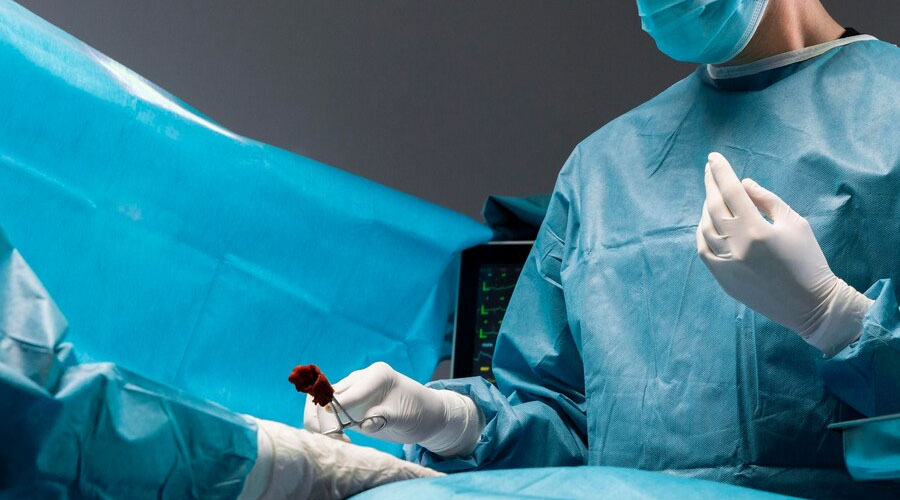
Anorectal Surgery
At our surgical practice in Hoedspruit, we specialise in anorectal surgery to address a range of benign peri-anal conditions. We aim to provide effective relief from symptoms and improve your quality of life through compassionate and skilled care.
What is anorectal surgery?
Anorectal surgery focuses on treating conditions affecting the anus and rectum. It involves various surgical techniques to address haemorrhoids, fistulas, and fissures. This type of surgery aims to alleviate discomfort, improve function, and address any underlying issues causing problems in the anorectal area.
What are benign peri-anal conditions?
Benign peri-anal conditions refer to non-cancerous issues affecting the area around the anus. These conditions can cause significant discomfort and impact daily life. Common examples include:
- Haemorrhoids:
Swollen veins in the rectal or anal area that can cause itching, pain, and bleeding. Haemorrhoids may be internal (inside the rectum) or external (under the skin around the anus). - Fistulas:
Abnormal connections between the rectum or anus and surrounding tissues, often resulting from an infection or abscess. Fistulas can cause pain, discharge, and recurrent infections. - Fissures:
Small tears or cracks in the lining of the anus, often resulting from passing hard stools or chronic constipation. Anal fissures can lead to severe pain during and after bowel movements.
What would the surgery procedure entail?
- Pre-Surgery Preparation:
We will provide specific instructions regarding diet, bowel preparation, and other preoperative steps to ensure a smooth procedure. This may include recommendations for a clear liquid diet or laxatives to cleanse the bowel. - During the Procedure:
- Haemorrhoidectomy:
For severe haemorrhoids, the surgery involves removing the swollen veins. This can be done using traditional techniques or advanced methods like laser surgery. - Fistula Repair:
To treat a fistula, our team will identify and close the abnormal connection, often using techniques such as fistulotomy or advancement flap surgery. - Fissurectomy:
For chronic anal fissures, the procedure might involve removing the fissure and possibly performing a sphincterotomy to relieve muscle tension and promote healing.
The surgery is conducted under general anaesthesia, depending on the procedure and patient preferences. We use precise techniques to ensure effective treatment while minimising discomfort.
- Postoperative Care:
After the surgery, you will be monitored in a recovery area and given instructions on wound care, pain management, and dietary modifications.
What would the recovery period entail?
Recovery Timeline:
- Hospital Stay:
Most anorectal surgeries are performed outpatient, meaning you can return home the same day. However, a short hospital stay may be required for some procedures. - Recovery Time:
The recovery period depends on the type of surgery performed. Patients may initially experience some discomfort, swelling, or bleeding, but these symptoms generally improve within a few weeks. - Follow-Up Care:
Regular follow-up appointments are vital to monitor healing, manage complications, and ensure the condition has been successfully treated. We will provide personalised advice on resuming normal activities and dietary requirements.
Anorectal surgery at our practice relieves distressing peri-anal conditions and helps you return to a more comfortable and active life. If you have any questions or need to schedule a consultation, contact our office for expert care and support.