
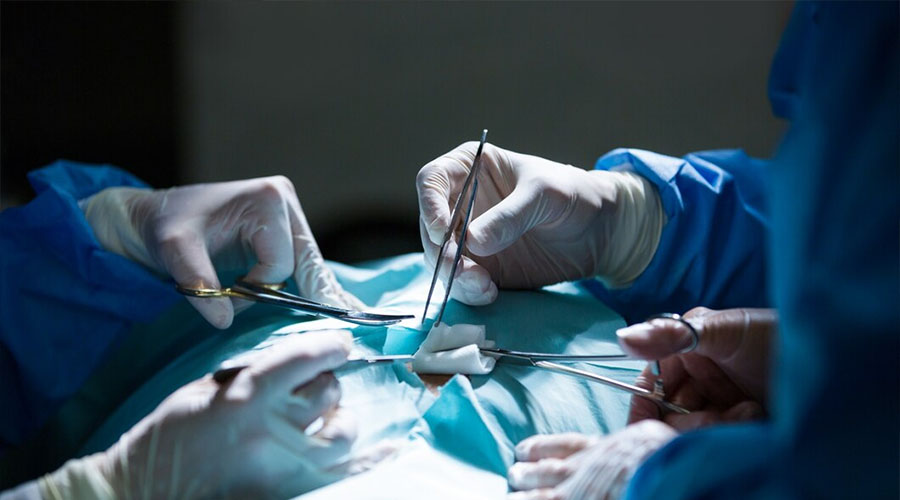
Hernia Surgery
Hernia surgery is a specialised procedure designed to repair hernias and restore abdominal integrity. Our team offers both open and minimally invasive hernia surgery techniques, providing tailored solutions for effective treatment.
What is a hernia?
A hernia is when an internal organ or tissue pushes through a weakened muscle or connective tissue area. This can cause a noticeable bulge and may lead to discomfort or pain. Hernias often occur in the abdomen, but they can also appear in other areas of the body. The most common types of hernias include:
- Inguinal Hernia:
Occurs in the groin area, often seen in men. - Femoral Hernia:
Appears in the upper thigh, more common in women. - Umbilical Hernia:
This happens near the belly button and is often seen in infants but can affect adults. - Incisional Hernia:
Develops through a previous surgical incision site. - Hiatal Hernia:
This occurs when part of the stomach pushes through the diaphragm into the chest cavity.
What is hernia surgery?
Hernia surgery is restoring the hernia by closing the defect in the muscle or tissue and reinforcing it to prevent recurrence. Our specialists perform two primary techniques for hernia repair:
- Open Surgery:
This approach requires making a larger incision near the hernia site to access and repair the hernia. It provides direct visualisation of the hernia and surrounding tissues. - Minimally Invasive Surgery (Laparoscopic Surgery):
This technique uses small incisions and specialised instruments, including a camera (laparoscope), to perform the repair. It often results in less postoperative pain and faster recovery.
What are the benefits of hernia surgery?
- Pain Relief:
Surgery effectively alleviates the discomfort and pain associated with hernias. - Prevention of Complications:
Repairs the hernia to prevent potential complications like incarceration or strangulation. - Improved Function:
Restores normal abdominal function and prevents the hernia from enlarging or worsening. - Minimally Invasive Option:
Laparoscopic surgery offers reduced scarring, a shorter recovery time, and less postoperative pain compared to open surgery.
What happens during the surgery?
Open Surgery:
The procedure starts with the surgeon making a larger incision at the hernia site. The herniated tissue is then pushed back into place, and the abdominal wall is repaired with sutures or mesh. This incision is closed with sutures or staples.
Minimally Invasive Surgery:
The surgery starts with a few small incisions where the surgeon inserts a laparoscope and other surgical instruments. The laparoscope provides a view of the hernia on a monitor, allowing precise repair of the hernia using mesh or sutures. The small incisions are then closed with sutures or adhesive strips.
What will the recovery period look like?
Immediate Recovery:
After surgery, you may experience some swelling, bruising and discomfort. We provide pain management to help with the recovery. If you had laparoscopic surgery, you might experience less pain and a quicker initial recovery.
Short-Term Recovery:
Full recovery may take a few weeks to a couple of months, depending on the type of surgery and individual healing. We will advise you to make follow-up appointments to track your progress and ensure proper healing.
We are committed to providing high-quality care and support throughout your hernia journey. Please contact us if you have any questions or need more information about hernia surgery options.