
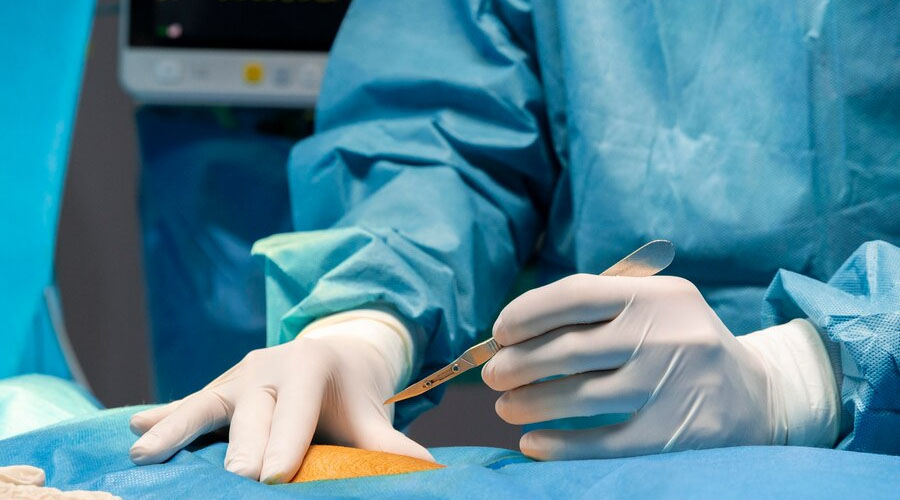
Surgical Management of Soft Tissue Infections
We offer specialised surgical management for soft tissue infections, including diabetic foot sepsis. Our goal is to provide comprehensive care that effectively addresses these complex conditions, ensuring the best possible outcomes for our patients.
What is surgical management of soft tissue infections?
Surgical management of soft tissue infections involves using surgical techniques to treat infections affecting the skin, muscles, fat, and connective tissues. This approach is often necessary when infections are severe, do not respond to antibiotics alone, or involve complications that require surgical intervention.
Effective management typically includes removing infected tissue, draining abscesses, and addressing any underlying issues contributing to the infection.
What are soft tissue infections and diabetic foot sepsis?
Soft Tissue Infections:
Soft tissue infections can occur when bacteria or other pathogens invade the skin and underlying tissues. Common types include:
- Cellulitis:
A widespread bacterial infection affecting the skin and subcutaneous tissues, leading to redness, swelling, and pain. - Abscesses:
Localised collections of pus resulting from infection can cause significant discomfort and swelling. - Necrotising Fasciitis:
A severe, rapidly spreading infection that destroys tissue and requires urgent surgical intervention. - Diabetic Foot Sepsis:
A serious complication of diabetes that causes severe infection in the feet. It often results from minor injuries or ulcers that become infected, leading to a potentially life-threatening condition.
What does surgical management entail?
- Pre-Surgery Preparation:
Before surgery, we perform a thorough examination, including physical evaluation and imaging studies if necessary, to assess the extent of the infection. You may receive antibiotics and other medications to manage the infection and prepare for the procedure. - During the Procedure:
- Debridement:
Surgical removal of infected or necrotic tissue to control the spread of infection and stimulate healing. This may involve cutting away at damaged skin, muscle, and other tissues. - Drainage:
If an abscess or fluid collection is present, it will be drained to relieve pressure and remove pus or other infectious material. - Wound Care:
The surgical area will be cleaned and dressed, and any necessary repairs or reconstruction will be performed to restore function and appearance.
- Debridement:
- Post-Surgical Care:
- Antibiotic Therapy:
Continued use of antibiotics may be required to ensure the infection is entirely eradicated. - Wound Management:
Regular dressing changes and monitoring of the surgical site are essential to prevent complications and promote healing.
- Antibiotic Therapy:
What does the healing period include?
- Recovery Timeline:
- Hospital Stay:
The duration of the hospital stay varies based on the infection’s severity and the surgery’s complexity. Some patients may be discharged within a few days, while others with more extensive infections may require a more extended stay. - Post-Surgical Care:
Recovery involves ongoing care to monitor the surgical site, manage pain, and prevent complications. We will provide detailed instructions for wound care and follow-up visits to track progress.
- Hospital Stay:
- Rehabilitation:
- Physical Therapy:
Depending on the extent of the surgery and any functional impairments, physical therapy may be recommended to aid recovery and restore normal movement. - Lifestyle Adjustments:
For diabetic purposes, managing blood sugar levels and addressing any underlying conditions are crucial to prevent future infections and support overall healing.
- Physical Therapy:
- Follow-Up Care:
Routine follow-up appointments are essential to assess healing, address concerns, and ensure the infection has been entirely resolved. We will work with you to provide personalised care and support throughout recovery.
Our practice’s surgical management of soft tissue infections aims to effectively relieve complex infections, ensure thorough treatment, and optimise recovery. Contact us now if you have further questions or want to book a consultation.